



Falling behind on mortgage payments can happen for many reasons. You may have lost a job, experienced an unexpected expense, dealt with a change in your family, or found that your monthly payments have become harder to manage. Whatever brought you to this point, worrying about your home while trying to handle everything else can be stressful.
If you are facing foreclosure in New Jersey, you may still have options worth exploring. Selling your property could be one way to address your mortgage obligations, depending on your home’s value, outstanding loan balance, and where you are in the foreclosure process. A direct home sale may also help you avoid the work involved in preparing a property for the traditional real estate market.
At Sell My House Fast Offer, we help homeowners explore selling their properties as-is. Whether you have recently missed mortgage payments or have already received a foreclosure notice, understanding your options can help you decide what to do next. Every situation is different, so it is important to review the details before committing to a sale.
Can You Sell a House Facing Foreclosure in New Jersey?
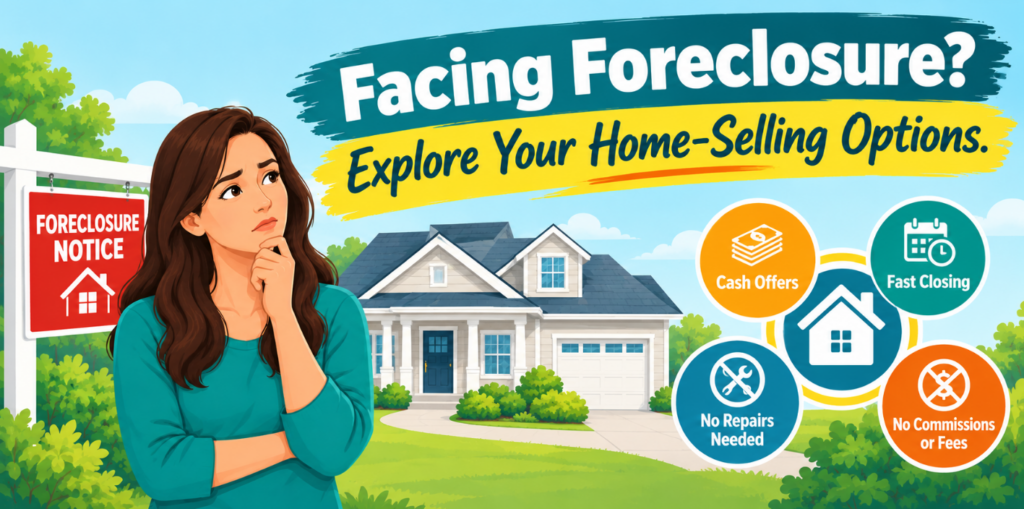
In many situations, homeowners can sell their houses before foreclosure is completed. However, the options available depend on the stage of the process, the mortgage payoff amount, the property’s market value, and any other liens or legal issues involving the home.
If your house is worth more than the amount you owe, selling it may allow you to pay off the mortgage and keep any remaining proceeds after applicable expenses. If the property is worth less than your outstanding mortgage balance, you may need to discuss additional options with your lender.
The foreclosure process and applicable deadlines vary by state. Receiving a notice from your mortgage servicer does not necessarily mean you have lost the ability to sell, but you should not assume that you have unlimited time. Review any legal documents carefully and contact your lender to understand the current status of your loan.
How We Buy Houses Facing Foreclosure
Selling a home while dealing with mortgage difficulties does not have to begin with a traditional listing. A direct home-buying company may offer an alternative for homeowners who want to explore a sale without completing every repair or preparing the property for multiple showings.
The process generally starts with a conversation about your house, its condition, and your preferred timeline. You can explain whether the property needs repairs, has been vacant, or has other issues that might make a conventional sale more difficult.
After reviewing the property, the buyer may present an offer for you to consider. You can then compare the proposed price with your mortgage payoff, any outstanding liens, and the expenses associated with completing the transaction.
If you decide to accept, the closing process can move forward according to the purchase agreement and any necessary approvals. The actual timeline depends on the property’s title, lender requirements, and other circumstances.
Our approach at Sell My House Fast Offer is to help you understand what a direct sale could involve before you make a decision. You should have the opportunity to review the terms, ask questions, and determine whether the offer fits your needs.

Sell Your House As-Is Without Paying for Repairs
When money is already tight, spending thousands of dollars on home repairs may not be realistic. An aging roof, damaged flooring, outdated plumbing, or other maintenance problems can make selling feel even more difficult.
Fortunately, you may not need to complete every improvement before exploring your selling options. Some house-buying companies purchase properties in their current condition, including homes that need substantial work.
Selling your house as-is can reduce the preparation involved in a traditional listing. Depending on the agreement, you may not need to repaint rooms, replace old fixtures, renovate the kitchen, or arrange extensive cleaning before the buyer evaluates the property.
Keep in mind that an as-is sale does not remove your legal disclosure obligations. You should provide any disclosures required by applicable state law and carefully review the purchase agreement.
Before accepting an offer, consider the home’s condition, the proposed price, and any expenses you may still need to cover. A direct offer can be convenient, but it should also make financial sense for your circumstances.
What If You Owe More Than Your House Is Worth?
A common concern among homeowners facing foreclosure is whether a sale will generate enough money to pay off the mortgage.
For example, imagine your house could sell for $250,000, while your mortgage payoff is $235,000. After accounting for applicable closing expenses and other obligations, you may have some money remaining. However, the final amount depends on the actual sale price and the costs involved.
Now imagine your mortgage payoff is $270,000, but the house is worth only $250,000. The sale could leave a $20,000 shortfall before other expenses are considered.
In this situation, you may need to ask your mortgage servicer about a short sale or another available loss-mitigation option. A short sale generally requires the lender’s approval to accept less than the outstanding mortgage debt. You should also ask whether any remaining balance could still be owed after closing.
Do not assume that a cash offer automatically settles your mortgage or prevents foreclosure. The lender’s requirements, the property’s equity, and the transaction details all matter. Understanding these figures before signing an agreement can help you avoid unexpected financial problems.
Why Acting Early Matters When Facing Foreclosure
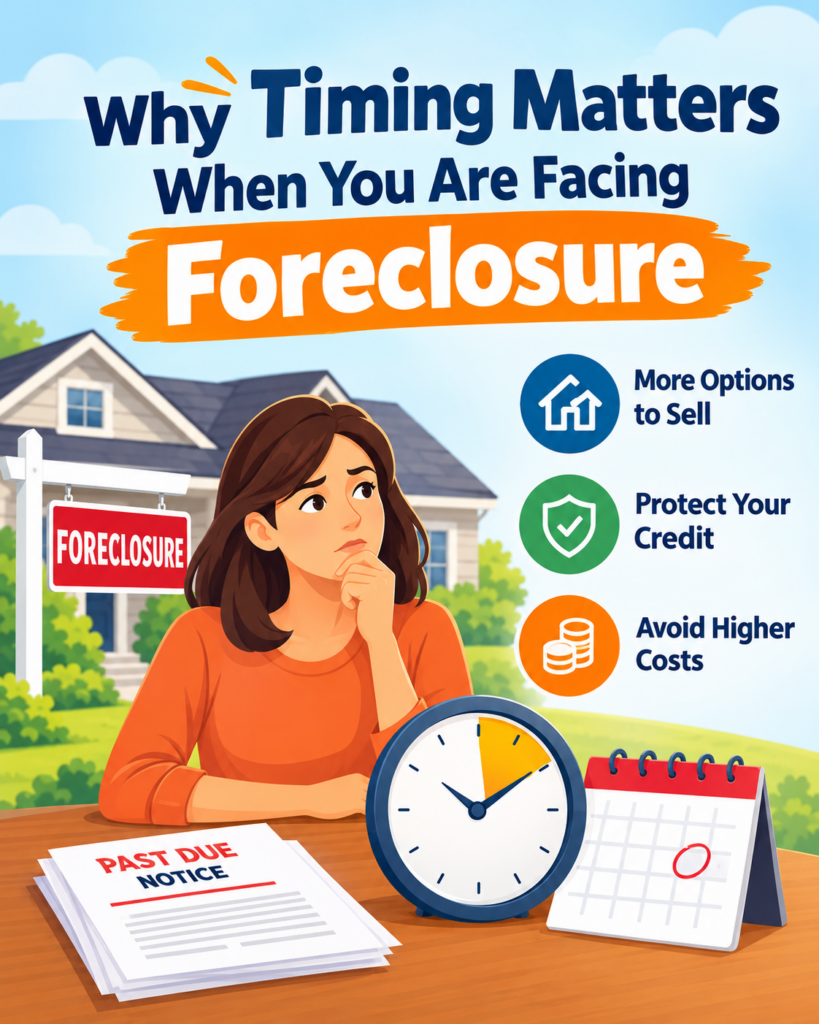
When mortgage payments fall behind, it can be tempting to put off difficult conversations or hope that your financial situation improves. However, waiting too long may leave you with fewer opportunities to arrange a sale or explore other solutions.
If you have received a foreclosure notice in New Jersey, take time to read it and identify any deadlines. Contact your mortgage servicer to ask about your loan status and whether options such as a repayment plan, loan modification, or forbearance may be available.
Selling your house is not the only possible solution. Depending on your circumstances, keeping the property through a revised payment arrangement may be worth considering. A HUD-approved housing counselor can help you understand available resources, while a qualified attorney can explain your legal options.
If a foreclosure sale has already been scheduled, seek professional advice promptly. A proposed home sale does not automatically stop foreclosure proceedings, and you should confirm what must happen for the sale to be completed in time.
Taking action early gives you more opportunity to compare alternatives and make an informed decision rather than rushing through the process.
We Buy Houses Facing Foreclosure Throughout New Jersey
We buy houses facing foreclosure throughout New Jersey, including Brick Township, Plainfield, Newark, Jersey City, Paterson, Elizabeth, Edison, Clifton, Perth Amboy, Woodbridge Township, Trenton, Camden, East Orange, and Irvington. Whether you own a single-family home, a rental property, or a house that needs repairs, you can explore your options for selling before foreclosure progresses.
Every property and financial situation is different, so the next step is to review your home’s condition, outstanding mortgage balance, and preferred closing timeline to determine whether a direct sale may be a suitable option.
Explore Your Home-Selling Options Today
Facing foreclosure can leave you with difficult decisions, but learning about your options is a practical place to start. You do not need to wait until every detail is settled before asking questions about selling your property.
If you are considering selling a house facing foreclosure in New Jersey, you can share some basic information about your home and discuss whether a direct offer may be possible. Understanding the potential sale price, closing requirements, and mortgage obligations can help you decide whether this approach makes sense.
There is no single answer for every homeowner. Take time to review the numbers, speak with your lender, and seek qualified advice when needed. With a clearer understanding of your situation, you can choose the next step that best fits your financial needs and plans.